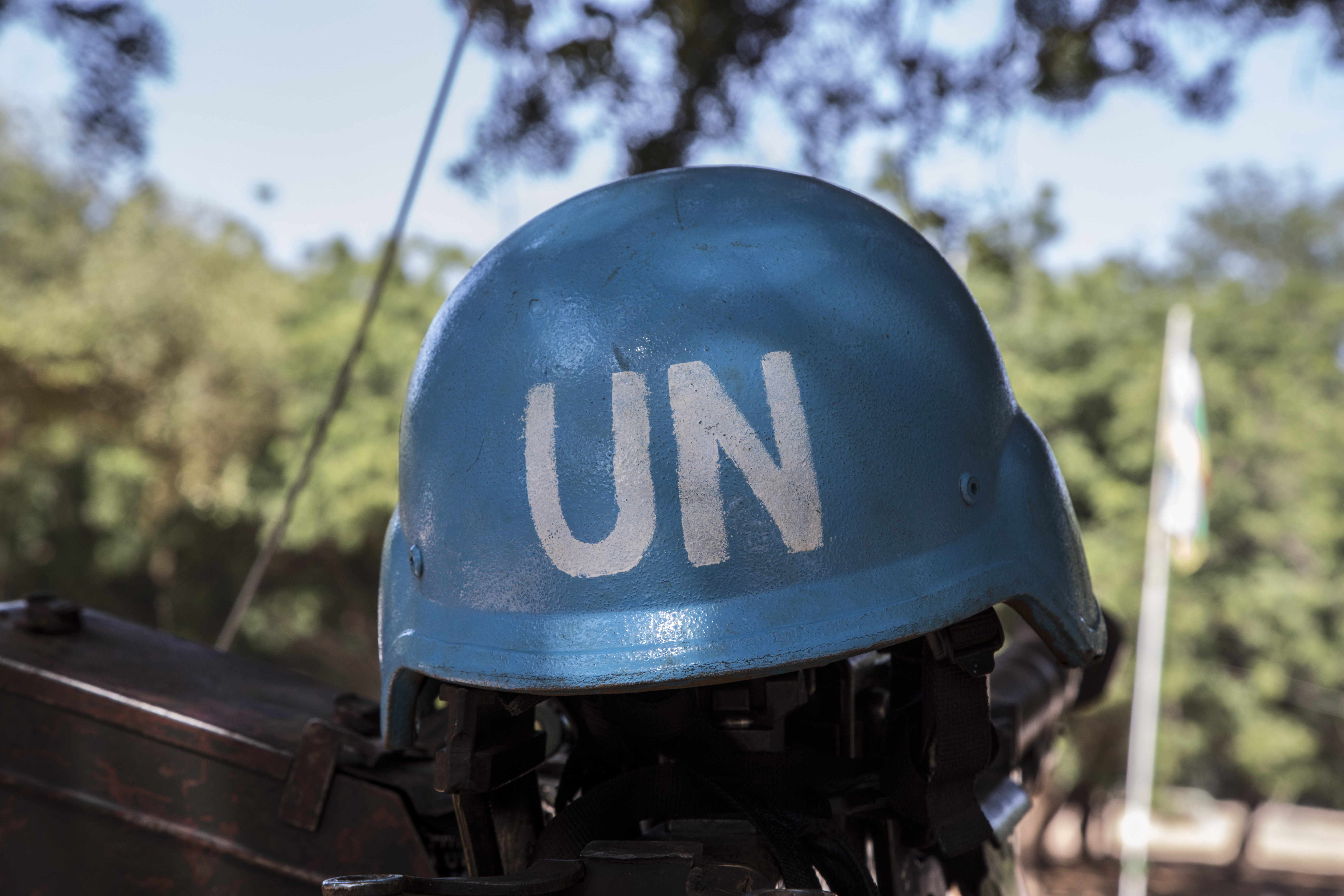
The Togo National Police has officially launched its Measuring Opportunities for Women in Peace Operations (MOWIP) barrier assessment report, marking an important milestone in the country’s ongoing efforts to strengthen women’s meaningful participation in United Nations peace operations.
The assessment was conducted with the support of the Elsie Initiative Fund (EIF) and provides an evidence-based analysis of the opportunities and barriers affecting women’s deployment to UN peacekeeping missions. The study also contributes to broader efforts to build more inclusive and effective security institutions, in line with the UN Uniformed Gender Parity Strategy (2018–2028).
Togo is a significant contributor of police personnel to UN peace operations, with women making up approximately 41 per cent of its deployed police personnel. The report highlights several encouraging practices within the Togo Police—including the integration of gender awareness into pre‑deployment training, and active engagement of male personnel as allies within the institution—which can contribute to positive institutional and cultural change. Together, these practices provide a strong foundation on which further progress can be made.
Barriers Requiring Targeted Action
The study drew on over 400 surveys and 30 key informant interviews and identified several challenges that continue to limit women’s participation in security and peacekeeping roles. Household constraints, peacekeeping infrastructure, and social exclusion were identified as the leading barriers to deployment, reflecting disproportionate caregiving responsibilities, limited institutional support measures, and, in some cases, negative mission experiences.
Addressing these barriers will require sustained, coordinated action across policy, training, and institutional culture. The report outlines practical recommendations including the adoption of a formal anti‑harassment policy and the development and dissemination of information and training resources to strengthen awareness of gender equality.
It also emphasises the importance of investing in the pipeline of women candidates through targeted recruitment, increasing the visibility of women role models, and practical measures to support women balancing professional duties with domestic responsibilities.
The study’s methodology was developed by the Geneva Centre for Security Sector Governance (DCAF), and Cornell University’s Gender and Security Sector Lab (GSS Lab), and was carried out with the support of the Centre Autonome d’Études et de Renforcement des Capacités pour le Développement au Togo (CADERDT). This collaboration brings together national and international expertise to support evidence-based reforms within the security sector.