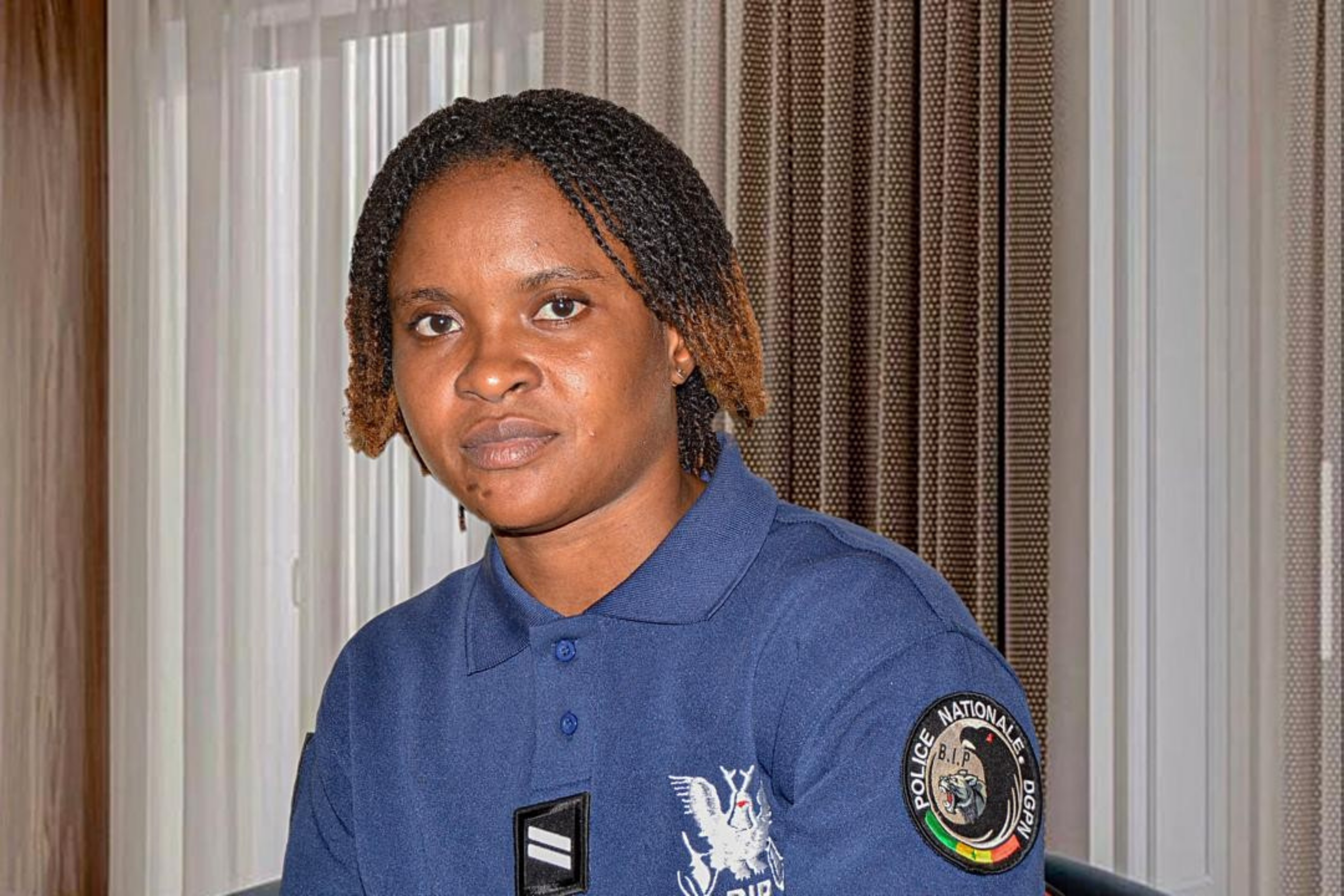
Balancing family responsibilities with professional duties remains a major challenge for uniformed personnel in United Nations Peace Operations. In many societies, social norms place the burden of caregiving disproportionately on women—often limiting their career opportunities, including participation in peacekeeping missions. To help reduce this barrier, the Uruguay Armed Forces (UAF) launched a pilot family support scheme in 2024—supported by the Elsie Initiative Fund (EIF)—designed to support single parents serving in uniform. This marks one of the first efforts by a national armed force to directly address the caregiving gap among its peacekeeping personnel.

First Corporal Lucy Ocampo on lookout duty during her deployment to UNDOF location. Photo: Lucy Ocampos, UAF
Adapting roles
First Corporal Karen Santos, 37, deployed to Syria between October 2023 and January 2025. Her family gave her their full support, but it meant a role reversal at home. This was difficult when Karen returned:
“The first thing my 11-year-old daughter said to me was, ‘You left me for a year!’ Before I left, I was ‘mum’ for everything; when I returned it was ‘dad’ who was there for everything. It took some time to adjust for everyone.”
The UAF piloted a family grant scheme designed to support uniformed women peacekeepers with dependent children, has been a game-changer for Uruguay’s female peacekeepers. For Santos, the grant helped cover school transport costs, easing the financial burden on her family. “It was a big help. We saved money and invested in home improvements,” she said.
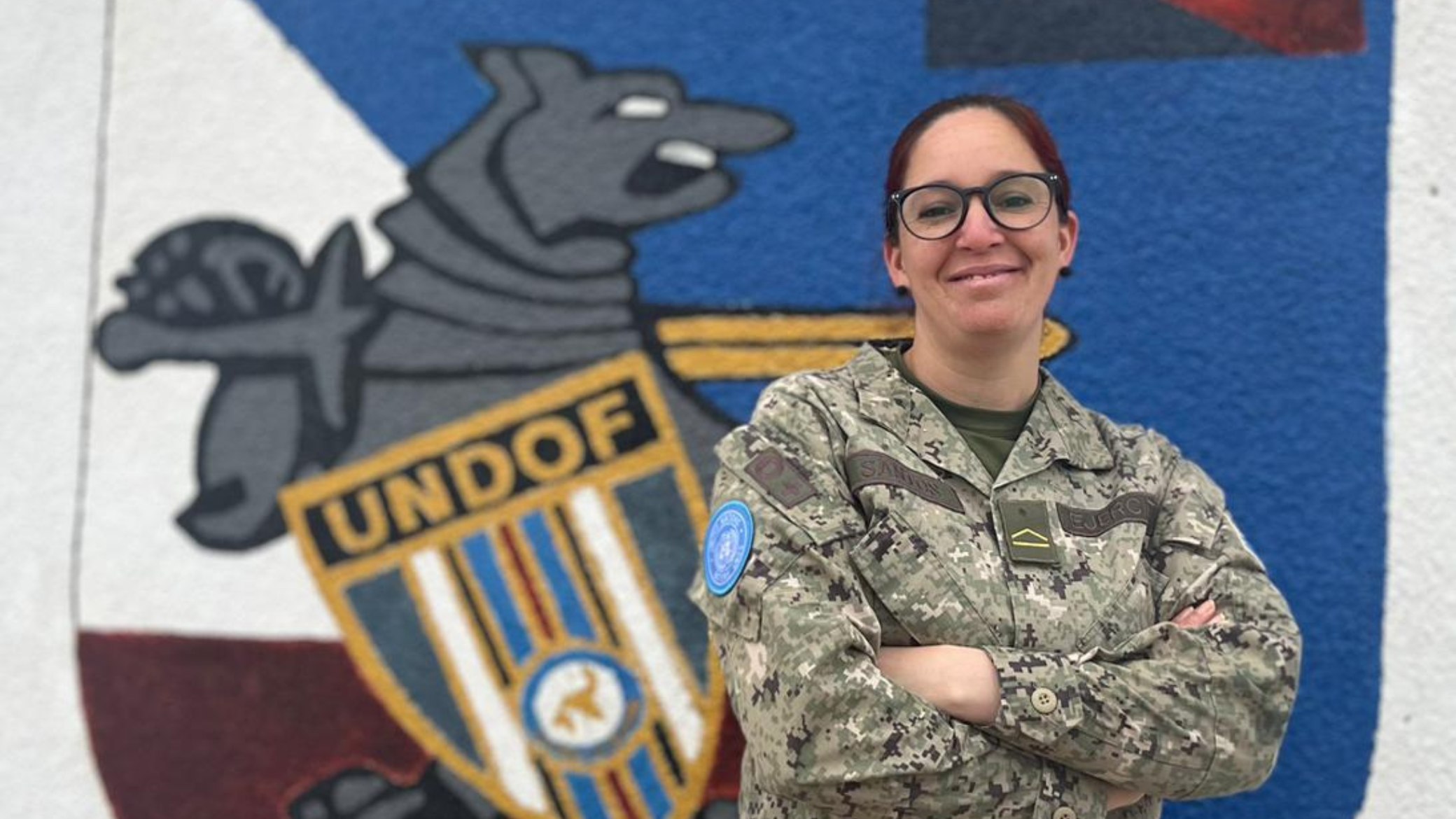
First Corporal Karen Santos joined the UAF at the age of 20 and has been serving for 17 years. Photo: UAF
Investing in children’s futures
The grant’s impact extends beyond financial relief—it enables women to serve without compromising their children’s growth, learning, and well-being. First Corporal Lucy Ocampo, currently deployed with the United Nations Disengagement Observer Force (UNDOF) in the Golan Heights, used the grant to fund English lessons for her 12-year-old daughter. “I’m contributing to her education,” she said proudly. “She’s now getting the best grades in school. When I return, she’ll be teaching English to me!”
For many peacekeepers, the decision to deploy is rooted in a desire to create meaningful change—both globally and at home. Sergeant Stefanie Zufiria, a single mother of two, saw peacekeeping as a path to broaden her horizons and invest in her family’s future. Through the support of the grant, her youngest daughter was able to begin piano lessons—an opportunity that brought joy and enrichment to their lives in Toledo. “She’s very happy,” Zufiria shared. “The most important thing is the support of the family. The medal at the end of the mission is for my mother.”

Sergeant Stefanie Zufiria making preparations for patrol in the Golan Heights. Photo: Stefanie Zufiria, UAF
First Private Victoria Falcón, a nurse and single mother, echoed this sentiment. The grant allowed her son to attend a bilingual school with transportation included—an opportunity she could not have afforded otherwise. “It was very significant on a personal level,” she said. “We can give better quality education for our children, and that’s a big achievement as a mother.”
These insights reflect the impact of EIF support in Uruguay. By addressing one of the key barriers to women’s participation in peacekeeping—family responsibilities—the grant enables women to serve, grow professionally, and contribute meaningfully to international peace and security.
Yet, the peacekeepers also see room for growth. Several suggested expanding eligibility to include older children and single fathers. “I have a friend who wants to deploy to a peacekeeping operation,” Santos noted, “but she doesn’t qualify because her child is in secondary school.” As Uruguay continues to champion gender equality in peace operations, the UAF family grants demonstrate how targeted support can impact lives—both at home and abroad.
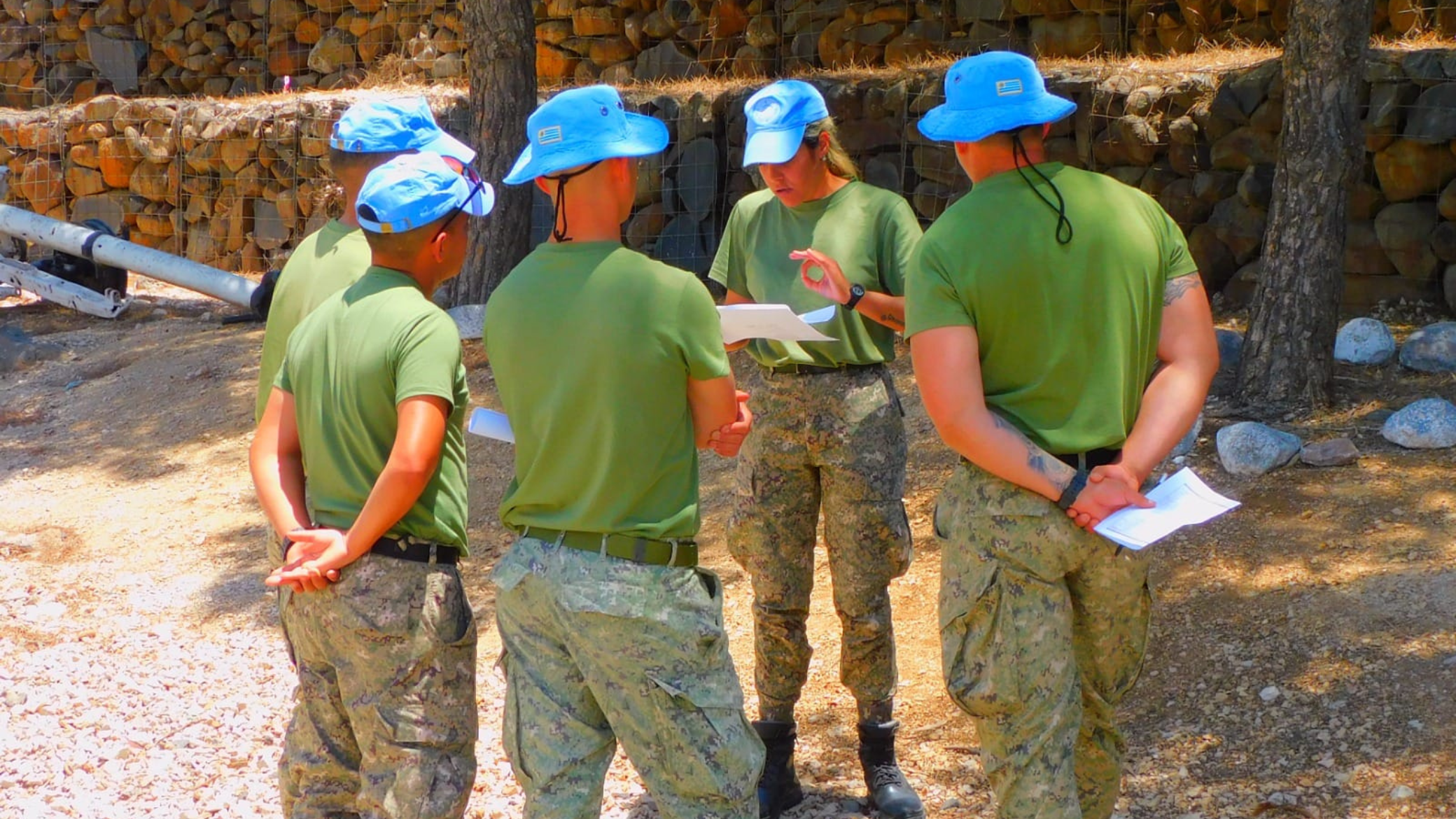
First Private Victoria Falcón provides team instructions for combat casualty and medical evacuation operations. Photo: UAF