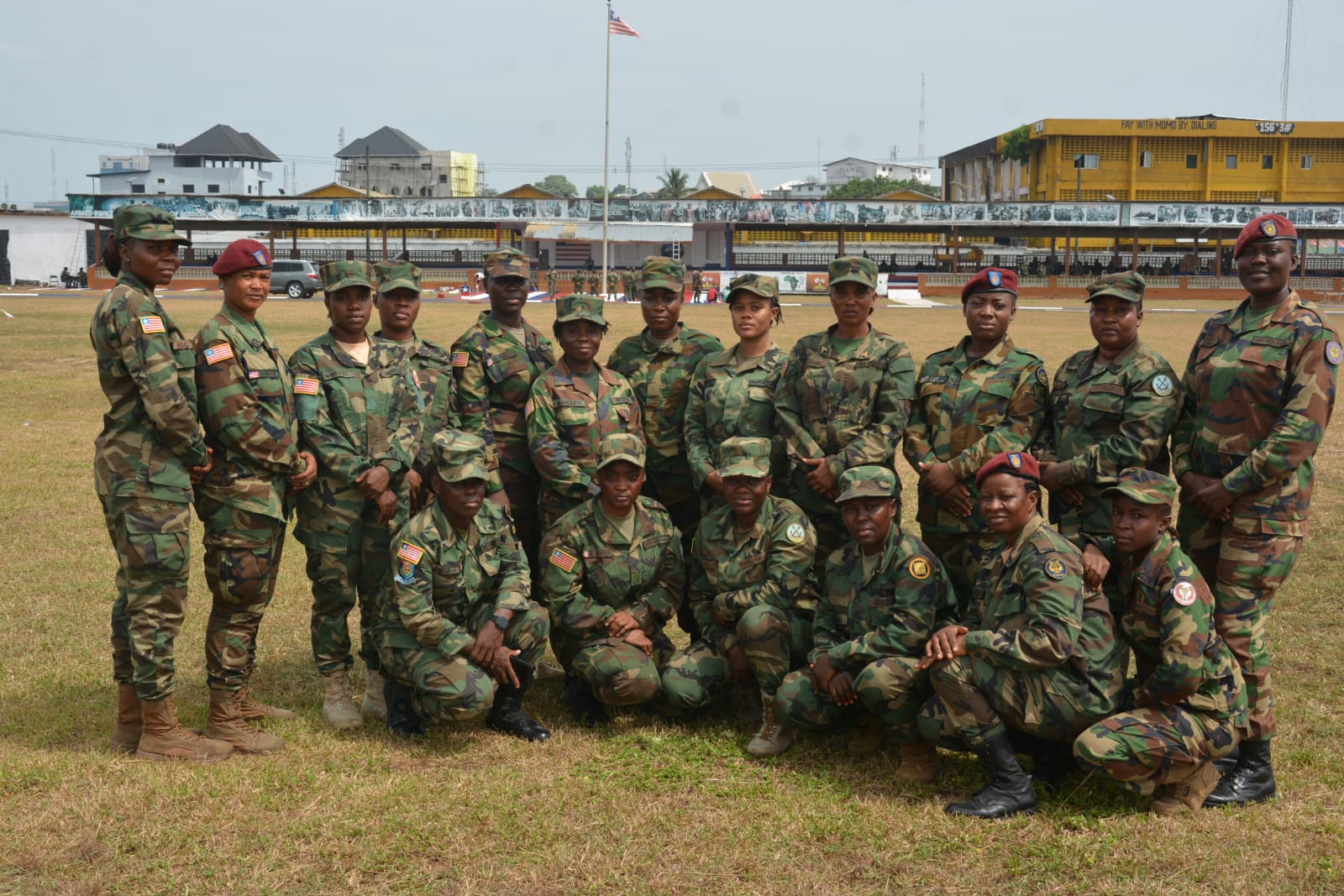
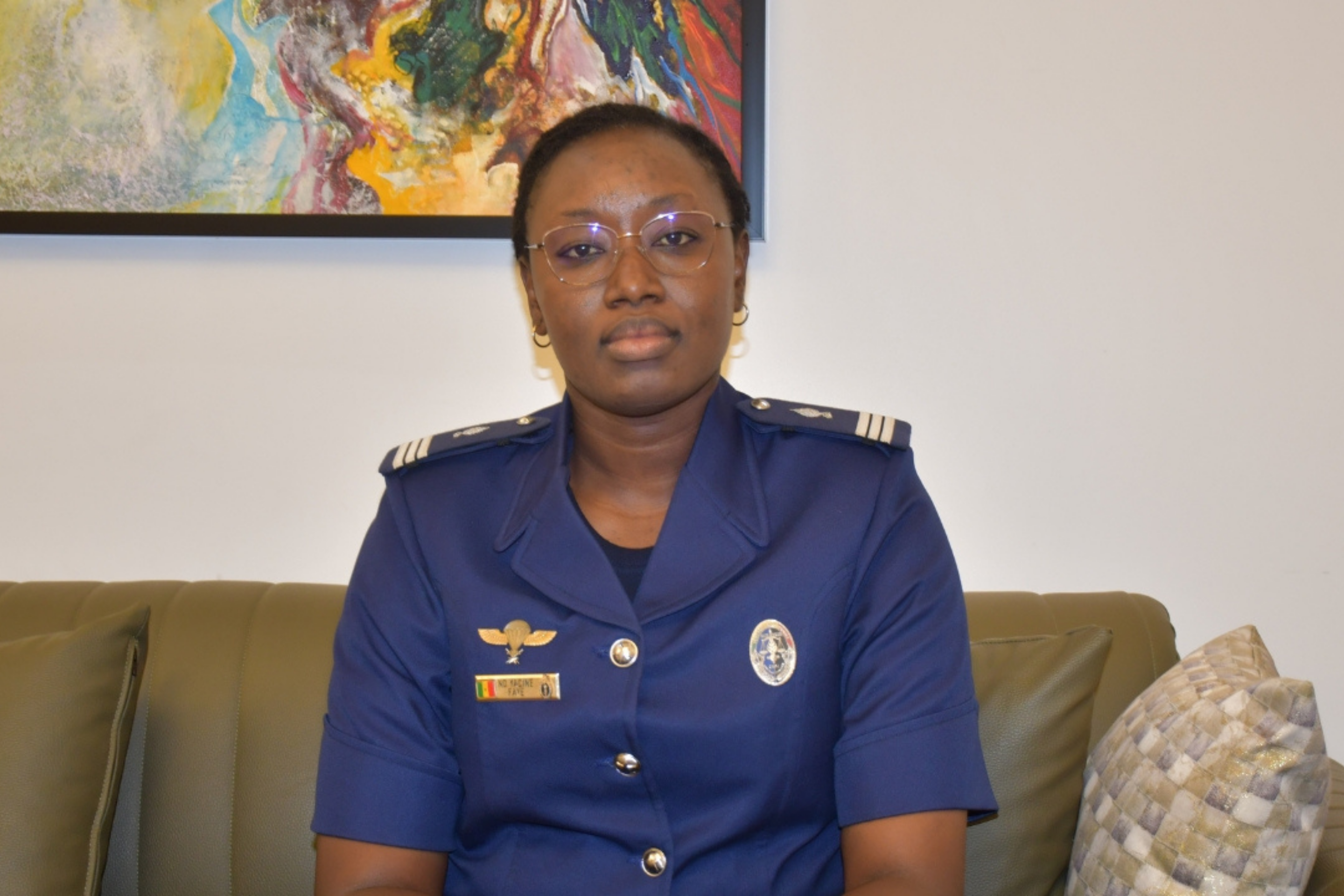
Inside Sénégal’s National Gendarmerie, attitudes towards gender are beginning to shift. With support from the Elsie Initiative Fund, gender-focused training is encouraging young student gendarmes such as Awa Padane and Babou Mansaly to rethink long-held beliefs about equality and leadership in the security sector.
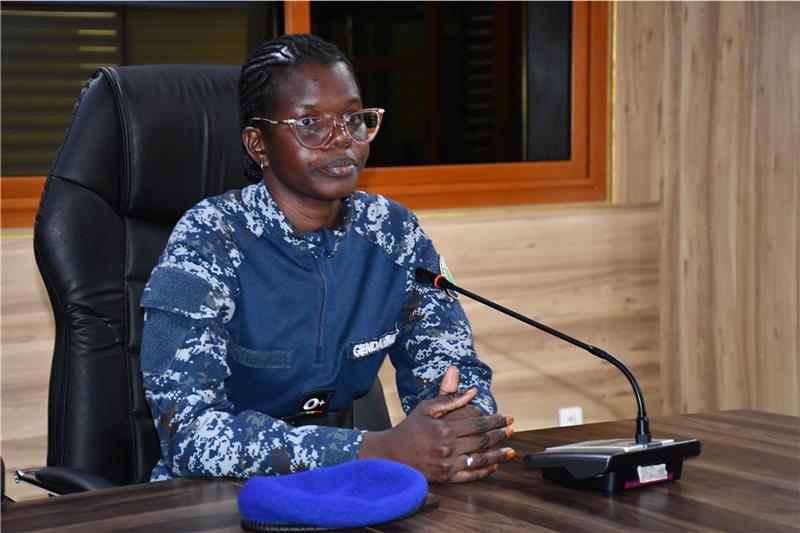
“I used to think that leadership in the gendarmerie was reserved for men,” says Awa Padane, a student gendarme. “But after this training and meeting some of the great women in our force, my perception changed.”
For Awa, the shift was both personal and cultural. “Here in Sénégal, as in much of Africa, we’re taught that men should occupy the highest decision-making bodies. But through this training, I realised that as we have the same abilities as men, women can also achieve great things.”
Her colleague, student gendarme Babou Mansaly, echoes this sentiment. Babou joined the gendarmerie in early 2024 and admits that his views on gender were shaped by societal norms. “Before the training, I didn’t really consider the role of women in the service,” he says. “Now, I think about it differently. I understand that they too have their place—and the capacity to lead.”
The training is designed to challenge stereotypes and foster inclusive mindsets from the earliest stages of a gendarme’s career, building a more equitable and effective security force. “What struck me most,” Babou reflects, “was the equal expectations that we should have of women and men in the security sector. The training showed us the impact women can have. Women have the talent and capacity to carry out tasks—just like men.”
Awa adds that the training helped clarify misconceptions. “Many still think that talking about gender is talking about homosexuality,” she says. “It’s really about recognising the specific needs and contributions of women and men in the workplace.”
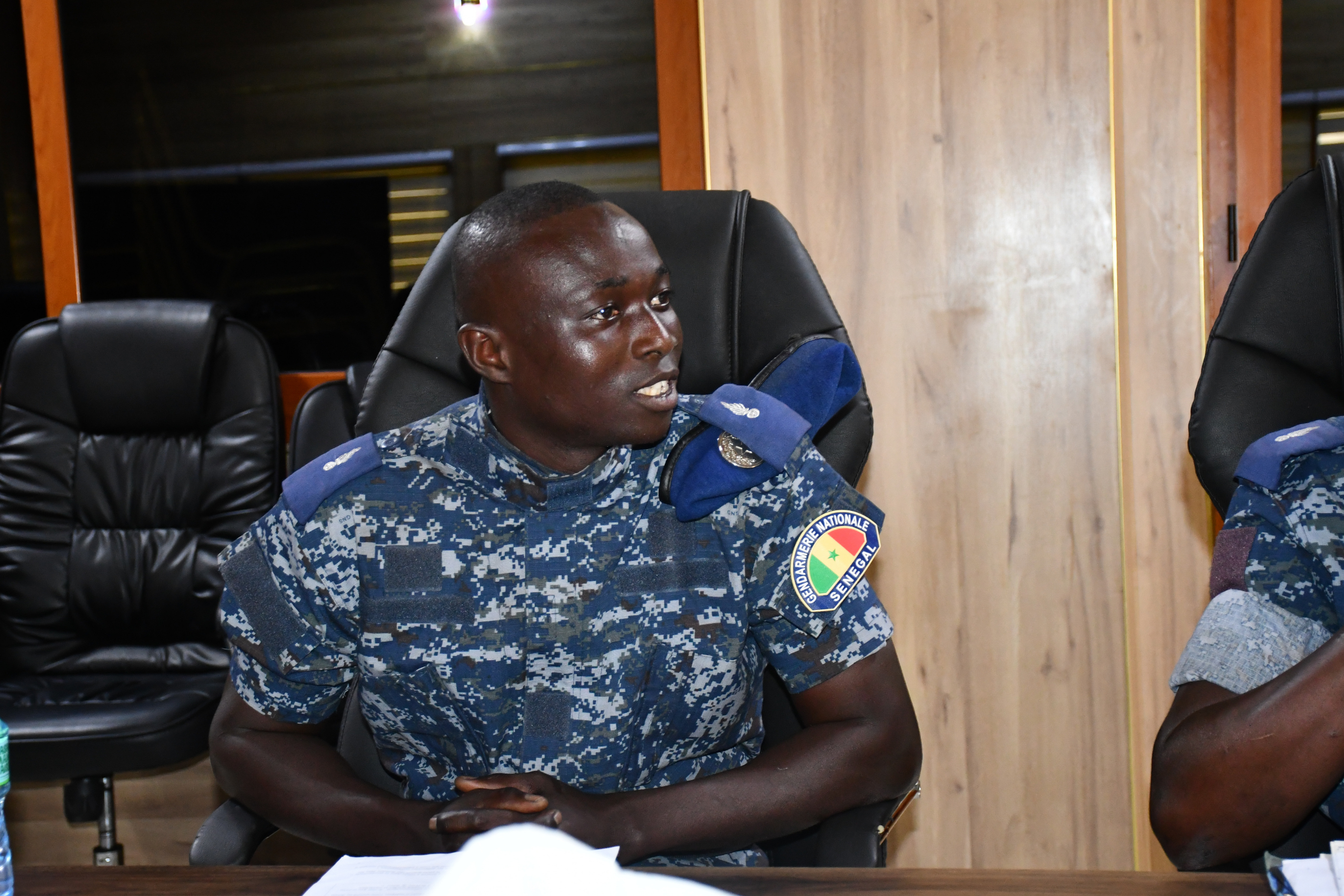
The impact of the training goes beyond individual awareness—it is laying the groundwork for institutional change. “If we approach gender from the start,” Babou explains, “it helps people change their vision — to see that women are not subordinate to men. They’ll understand that women must be valued and given opportunities to succeed.”
Both trainees are enthusiastic about future deployments, including peacekeeping missions abroad. “Anything related to development or bringing peace—I’ll be there,” says Babou. Awa, who holds a master’s degree in peace and security studies, is equally eager: “I have studied it. Now I want to live it.”
In 2024, the Sénégal National Gendarmerie delivered training on gender equality, and sexual exploitation and abuse (SEA) to 2,903 gendarmes (301 women and 2,602 men). Raising awareness of gender equality helps embed a positive work culture and contributes to more effective peace and security operations—both at home and in international peacekeeping contexts.